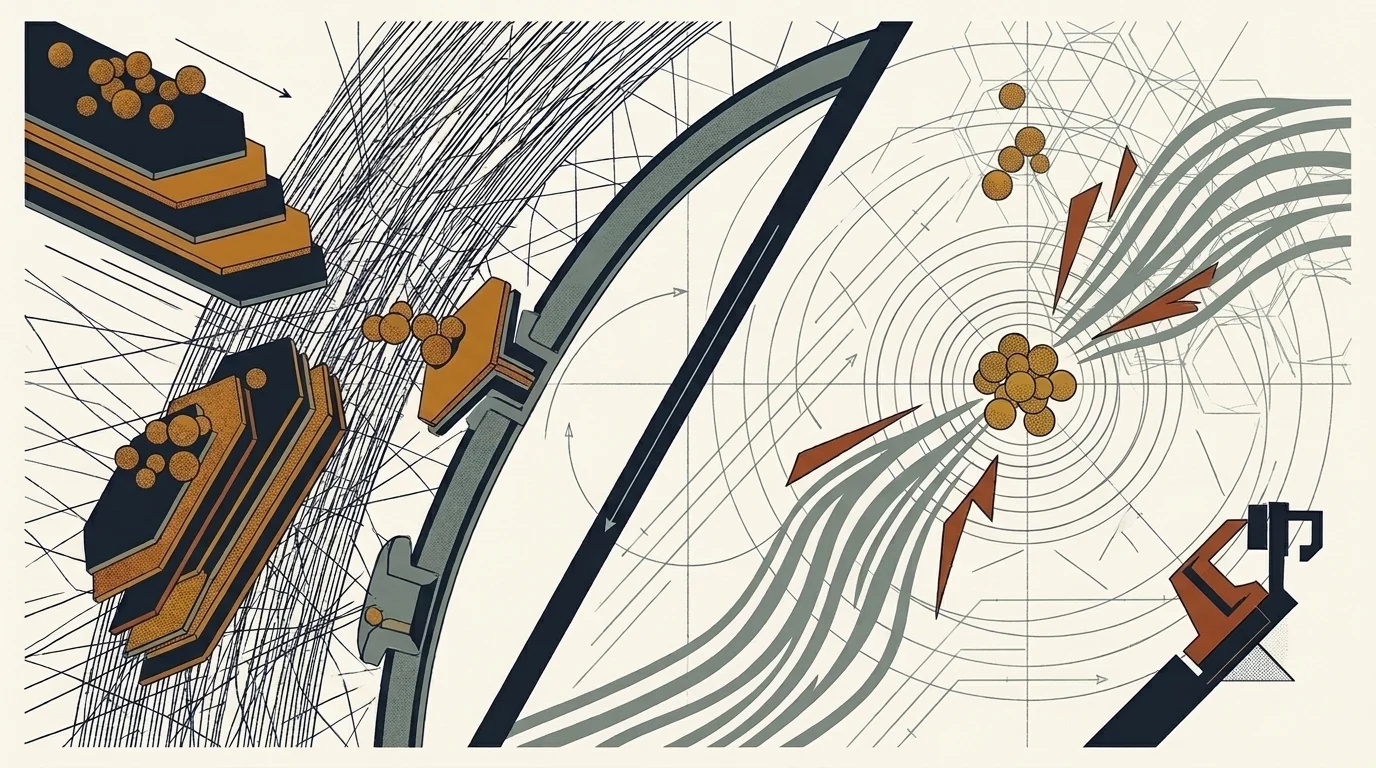
A triple-action titanium carbide nanoplatform transports zinc past prostatic tissue barriers, neutralizing free radicals and silencing inflammatory gene expression to relieve chronic pelvic pain.
A persistent tissue trap
Chronic non-bacterial prostatitis afflicts over eight percent of men between 15 and 60, triggering persistent pelvic pain without an active bacterial infection to target. Systemic drugs frequently fail because the prostate’s dense stromal tissue acts as a physical barrier. Compounding this structural blockade, inflamed prostatic cells lose the transport machinery required to retain trace minerals, causing intracellular zinc levels to collapse.
This loss of intracellular zinc strips prostate cells of a primary buffer against oxidative stress. Without sufficient zinc ions, damaged tissues enter a self-sustaining cycle of inflammation. Infiltrating macrophages lock into an aggressive M1 phenotype, spraying reactive oxygen species into the extracellular matrix. These oxidizing molecules degrade surrounding nerve endings and drive chronic pain signals. Interrupting this loop requires forcing zinc past physical tissue boundaries directly into the cytoplasm.
Engineering a targeted nano-delivery vehicle
To breach systemic transport barriers, researchers designed a multi-layered nanoplatform designated QM (Zn) NPs. The core fuses two-dimensional titanium carbide sheets, known as Ti3C2 MXenes, with a quercetin-zinc coordination complex. To direct the nanoplatform into damaged tissue, researchers enveloped the particle in a chondroitin sulfate shell, an organic ligand that docks directly onto CD44 surface receptors overexpressed on inflamed prostate cells and infiltrating immune cells.
Once localized within the diseased tissue microenvironment, the nanoplatform executes three distinct physical interventions. The broad surface of the ultra-thin MXene sheets acts as an electron sink, absorbing free radicals directly. Concurrently, the quercetin-zinc complex shuttles zinc ions across cellular lipid bilayers while prompting resident macrophages to shift from pro-inflammatory M1 cells into tissue-repairing M2 phenotypes.
Downstream genetic silencing and nerve relief
The molecular mechanics build on the bioenergetic principles of zinc metalloprotein regulation first characterized by Vallee and Falchuk in 1993. Once inside the cell cytoplasm, released zinc ions induce the transcription of metallothionein 1 (Mt1). High-throughput transcriptomic sequencing demonstrated that elevated Mt1 acts as a genetic switch, blocking the IKK/NF-κB/IκB phosphorylation cascade that normally drives inflammatory gene expression.
This intracellular shutdown stops the release of oxidizing compounds into the extracellular space. By clearing reactive oxygen species from the tissue matrix, the nanoplatform shields unmyelinated pelvic nerve fibers from structural oxidative damage. In rodent models, this neural preservation directly reduced pelvic pain behaviors while maintaining high tissue compatibility.
Translational boundaries and research next steps
Although these rodent trials demonstrate a method for reversing localized mineral depletion, the therapy remains in preliminary development. Researchers must confirm whether human prostatic stroma absorbs these particles with equal efficiency and whether chondroitin sulfate targeting remains reliable across diverse stages of disease. Because this system relies on engineered targeted nanoparticles, taking oral zinc or quercetin dietary supplements will not replicate these results, as oral compounds lack the structural homing mechanisms required to concentrate in the prostate.
Future trials must map long-term bio-clearance routes to verify that the inorganic titanium carbide sheets clear the bloodstream without accumulating in the liver or kidneys. If clinical trials confirm its safety and targeting efficiency, this targeted nanoplatform could shift prostatitis treatment from broad systemic anti-inflammatories toward precise cellular repair.
Key takeaways
- Bioengineers built chondroitin sulfate-coated MXene nanoparticles that bind CD44 receptors to deliver quercetin-bound zinc into inflamed prostate tissue.
- Intracellular zinc accumulation activated metallothionein 1 expression, suppressing the IKK/NF-κB/IκB signaling cascade and shifting macrophages to a tissue-repairing phenotype.
- The nanoplatform scavenged reactive oxygen species, prevented oxidative pelvic nerve damage, and alleviated pain behaviors in preclinical models.
Source
Reported from Reversing zinc dyshomeostasis and oxidative stress: A metallothionein 1-activating MXene/Zn2+ triple-action nanotherapeutic strategy for chronic non-bacterial prostatitis. (PubMed Dark Mirror (Trace Minerals & Metal Bio-Clearing)).
Evidence note: This research was conducted entirely in preclinical animal models, meaning targeted delivery, safety profiles, and therapeutic efficacy have not yet been evaluated in human clinical trials.