Lund University researchers show circulating blood biomarkers detect brain protein aggregates as accurately as invasive spinal taps, streamlining early clinical diagnosis.
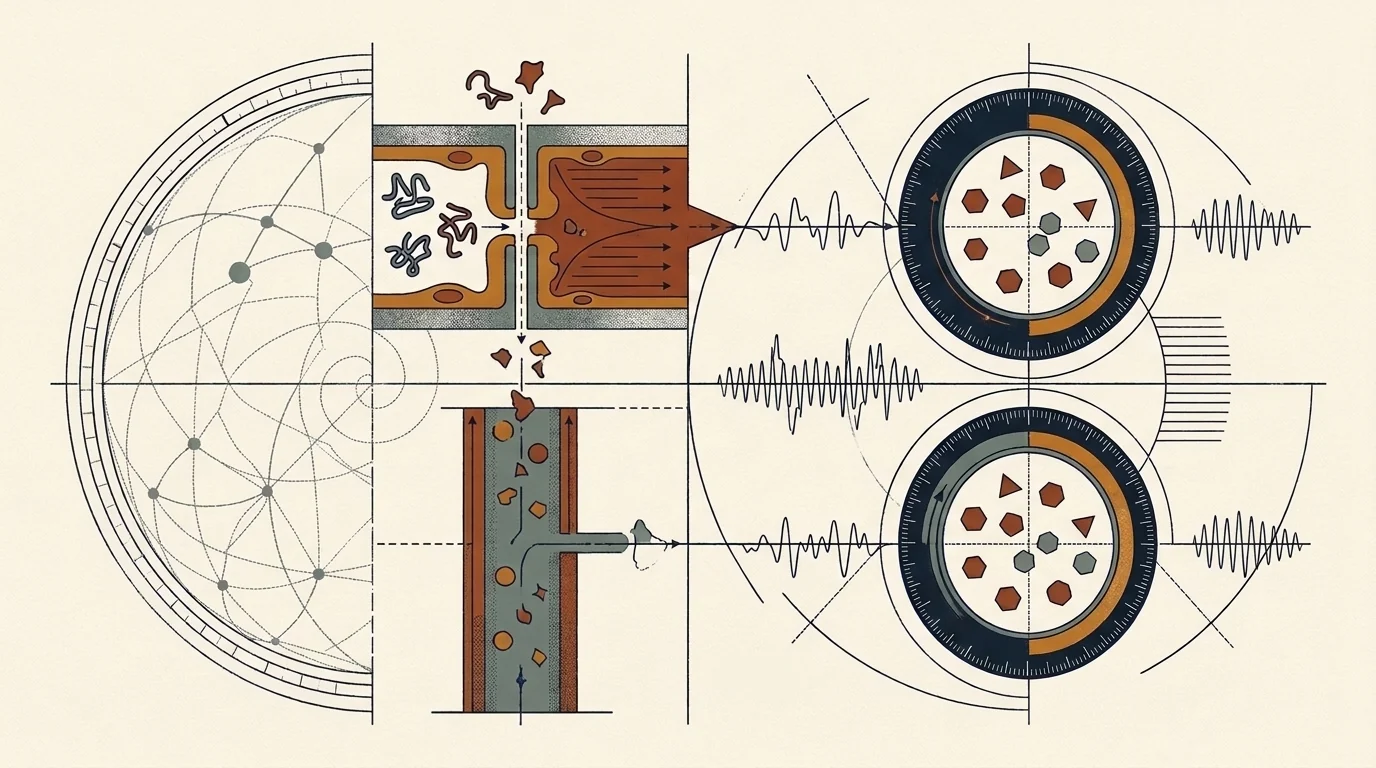
A study published in Nature Aging by researchers at Lund University demonstrates that refined blood tests identify Alzheimer’s disease pathology with the same precision as standard cerebrospinal fluid assays. For decades, verifying the accumulation of misfolded brain proteins required inserting a needle between lumbar vertebrae to sample the fluid bathing the central nervous system. These updated blood assays capture microscopic protein fragments that seep across the blood-brain barrier into peripheral blood vessels, sparing patients an invasive procedure while maintaining diagnostic accuracy across clinical environments.
Regulatory approvals across Europe, the United States, and Japan set the stage for integrating these plasma assays into standard medical practice. However, the published data omit specific sensitivity and specificity percentages and do not identify which exact molecular species the assay targets. While this regulatory clearance removes a major physical obstacle to early neurological assessment, further clinical trial data must confirm how reliably these blood panels detect early-stage pathology across varied populations.
Key takeaways
- Circulating blood assays achieve diagnostic precision equivalent to traditional cerebrospinal fluid taps for detecting Alzheimer’s pathology.
- Regulators across Europe, the United States, and Japan have cleared the updated blood-testing protocols for clinical use.
- The plasma assay permits patients to avoid lumbar punctures during routine diagnostic workups for cognitive decline.
Source
Reported from Improved blood test offers less invasive way to detect Alzheimer’s disease (Medical Xpress Healthy Aging).
Evidence note: The study source material does not disclose specific diagnostic sensitivity percentages, specificity metrics, or the exact molecular biomarkers measured by the blood test.