
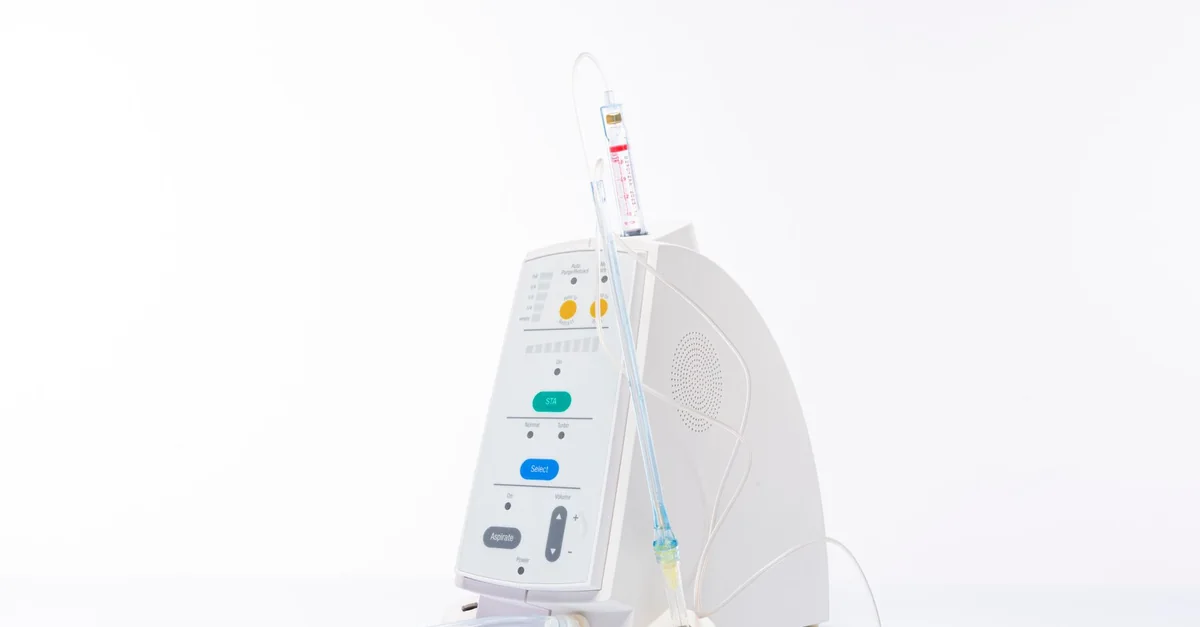
A new analysis suggests that treating obstructive sleep apnea with hypoglossal nerve stimulation could improve overall health, but experts urge caution.
Three things to remember
- Over 80 million U.S. adults have sleep apnea.
- The condition raises risks for diabetes and heart disease.
- Nerve stimulation may ease apnea and improve health.
How to interpret it
Historical Biophysics & Lineage
The modern finding that hypoglossal nerve stimulation improves overall health beyond apnea severity connects directly to Bell’s anatomical mapping and Hess’s functional stimulation paradigm. Mechanistically, activating the hypoglossal nerve restores upper airway patency, reducing intermittent hypoxia and sleep fragmentation. This alleviates sympathetic nervous system overactivity, systemic inflammation, and oxidative stress—key drivers of insulin resistance, hypertension, and cardiovascular disease. Thus, the observed downstream health gains are a direct consequence of reversing the physiological stressors caused by apnea, validating the historical understanding that neural control of airway muscles and electrical stimulation of nerves can have broad systemic effects.
Ancestral parallel: Traditional lifestyle practices that maintain upper airway tone and respiratory stability, such as didgeridoo playing (which strengthens pharyngeal muscles) and oropharyngeal exercises (e.g., from yoga and certain singing traditions), parallel the mechanism of hypoglossal nerve stimulation. These practices enhance neuromuscular control of the airway, reducing collapsibility and mitigating apnea severity. Additionally, ancestral sleep postures (e.g., side-sleeping) and avoidance of sedatives and alcohol—common in pre-industrial societies—preserve airway patency and reduce apnea risk. These parallels highlight that non-invasive, behaviorally-driven strengthening of airway muscles can mimic some benefits of electrical stimulation, offering a lifestyle-based approach to improving metabolic and cardiovascular health.
Source
This signal is based on Hypoglossal nerve stimulation for obstructive sleep apnea shows downstream health benefits from Medical Xpress Sleep. Read the original report for full context.
Health note: This was an observational study; more research is needed to confirm benefits.