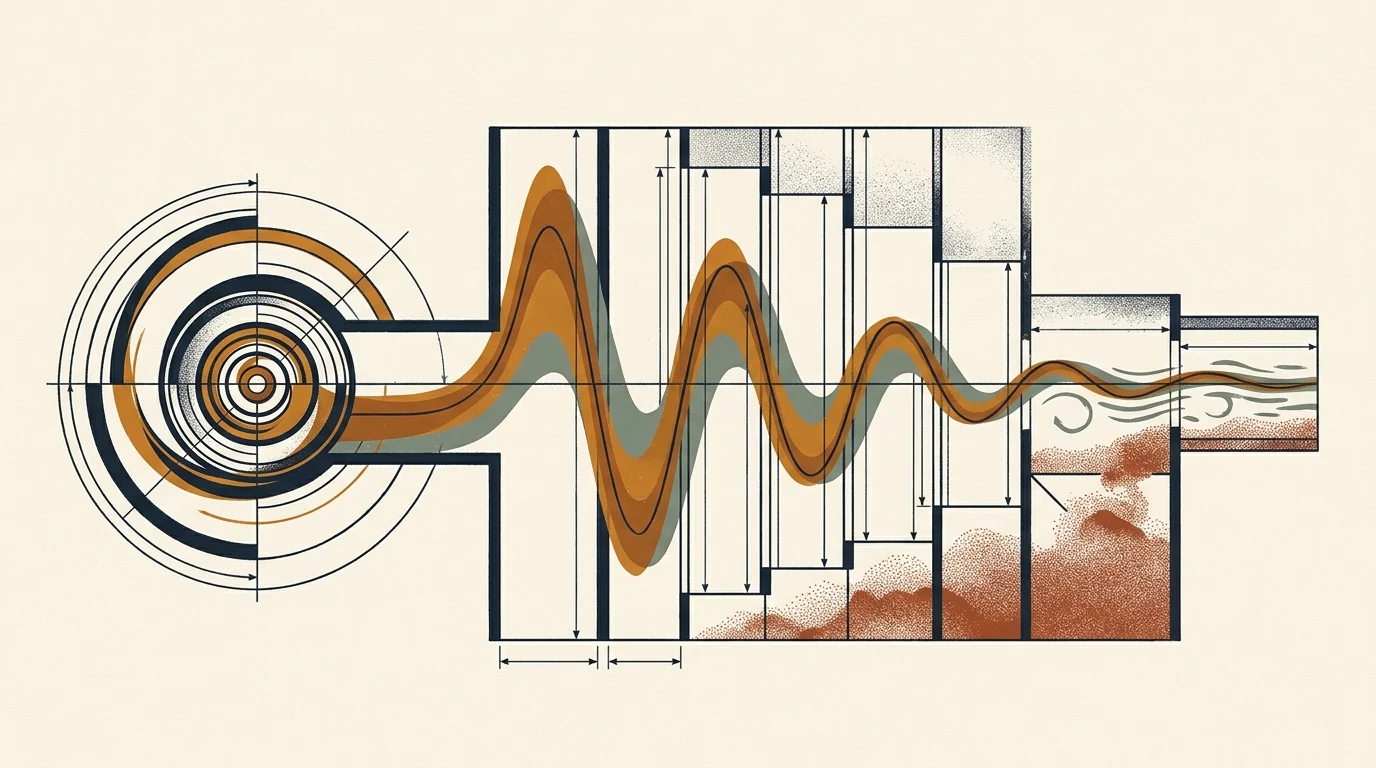
Rhythmic waves of fluid that flush metabolic debris out of neural tissue during sleep decay with age, linking broken sleep to impaired brain self-cleaning.
As the human brain ages, sleep architecture gradually breaks down, leaving older adults with brief stretches of deep rest and frequent night awakenings. Beyond these surface disruptions, MIT researchers discovered that aging impairs the physical washing mechanism that clears cellular refuse from neural tissue during sleep. In a young brain, slow electrical oscillations orchestrate rhythmic contractions in blood vessels. This motion drives cerebrospinal fluid through microscopic channels in tissue, sweeping away metabolic debris that accumulates during waking hours. The new observations reveal that this hydraulic flushing system loses its structural vigor in older adults, causing fluid waves to stall and transport waste far less efficiently.
This decline in fluid dynamics highlights how closely sleep quality connects to the physical maintenance of neural circuits. When nighttime flushing loses its rhythm, toxic metabolic byproducts linger within tissue, altering the chemical microenvironment of the brain. While these findings establish a clear physical link between advanced age and weakened waste transport, the study design cannot yet resolve whether failing fluid dynamics cause fragmented sleep, or if degraded sleep directly disrupts the hydraulic pump.
Key takeaways
- MIT researchers discovered that aging weakens the rhythmic fluid waves that flush metabolic debris from brain tissue during sleep.
- Older adults show diminished waste transport alongside fragmented sleep architecture and reduced deep-sleep duration.
- The findings directly link age-related sleep disruptions to degraded physical clearance of cellular waste across neural tissue.
Source
Reported from Waves that clear waste from the brain during sleep are impaired in older adults (Medical Xpress Healthy Aging).
Evidence note: The preliminary report lacks detailed methodological data, making it unclear whether impaired waste clearing is a primary driver or a secondary consequence of altered sleep patterns.